By Ken Pringle
September 29, 2026
Indoor climate control systems play an essential role in daily household comfort by regulating temperature and maintaining air quality across every season. Without regular technical oversight, these complex networks remain highly vulnerable to sudden operational breakdowns that create acute discomfort and prompt high emergency repair bills. Engaging skilled HVAC contractors is vital for keeping residential units operating at maximum efficiency while protecting against unexpected mechanical failures. These professionals deliver specialized technical services tailored to specific equipment models, using diagnostic skill to resolve hidden mechanical flaws before major operational hazards arise. Working with experienced technicians provides homeowners with consistent climate control and protects substantial home equipment investments.
In addition to preventing sudden outages, professional oversight optimizes overall energy usage and keeps modern mechanical systems running safely year after year. Qualified technicians understand the precise balance required between electrical, chemical, and airflow components to ensure peak performance under intense seasonal demands. By partnering with certified experts, property owners gain reliable long-term support that simplifies equipment ownership while heading off catastrophic utility failures. This comprehensive guide outlines how professional diagnostic strategies, routine maintenance protocols, and advanced technical solutions safeguard home comfort and deliver dependable performance.
Managing Preventive Maintenance Protocols
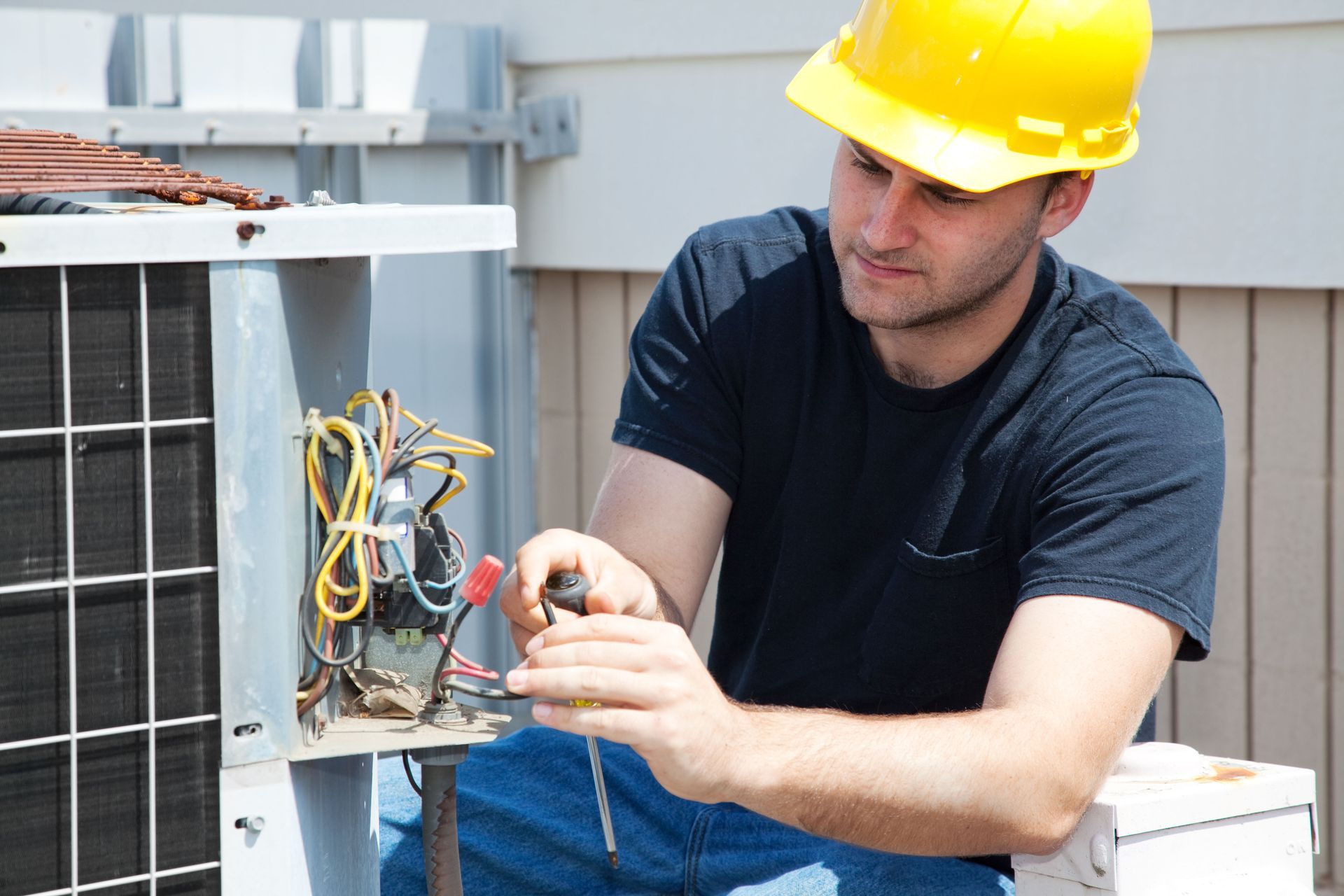
System inspections conducted by licensed HVAC contractors represent a proactive strategy for pinpointing minor operational flaws before they cascade into catastrophic mechanical breakdowns. Professional technicians examine internal wiring connections, test electrical voltage stability, assess chemical refrigerant pressurization, and review structural mounting hardware to catch subtle indicators of system failure early. By adhering to a routine inspection schedule, homeowners can significantly reduce the likelihood of sudden system breakdowns. According to Sequoia GEO, only 30% of homeowners schedule preventive HVAC maintenance annually, with the remaining 70% acting reactively. Prioritizing structured checkups minimizes equipment strain, prevents sudden seasonal outages, and maintains stable indoor temperatures throughout the year.
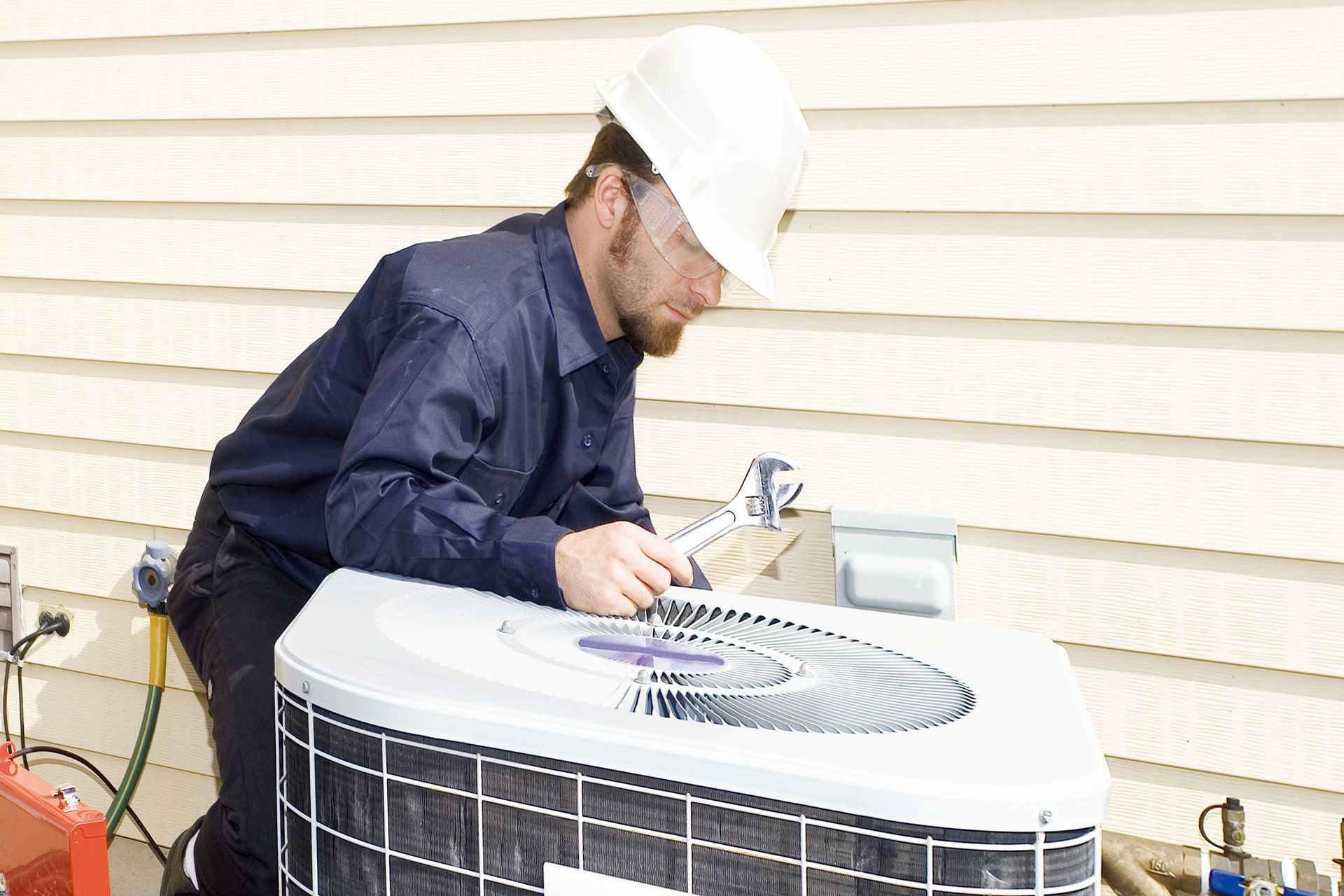
Comprehensive cleaning and component lubrication represent vital technical practices within professional system maintenance programs. Dust accumulation and environmental debris block essential airflow channels, forcing system blowers to work harder while drastically elevating internal operating temperatures and overall operational risks. Certified technicians use specialized mechanical cleaning methods to purge internal coils, housing units, and drainage lines, ensuring seamless airflow throughout the entire system. Applying industrial lubricants to moving motor parts mitigates mechanical friction, decreases component wear, and boosts total energy performance across extended usage cycles. Eliminating structural strain through precise care prolongs equipment lifespans and protects households against unexpected repair costs.
Executing Precision Component Adjustments
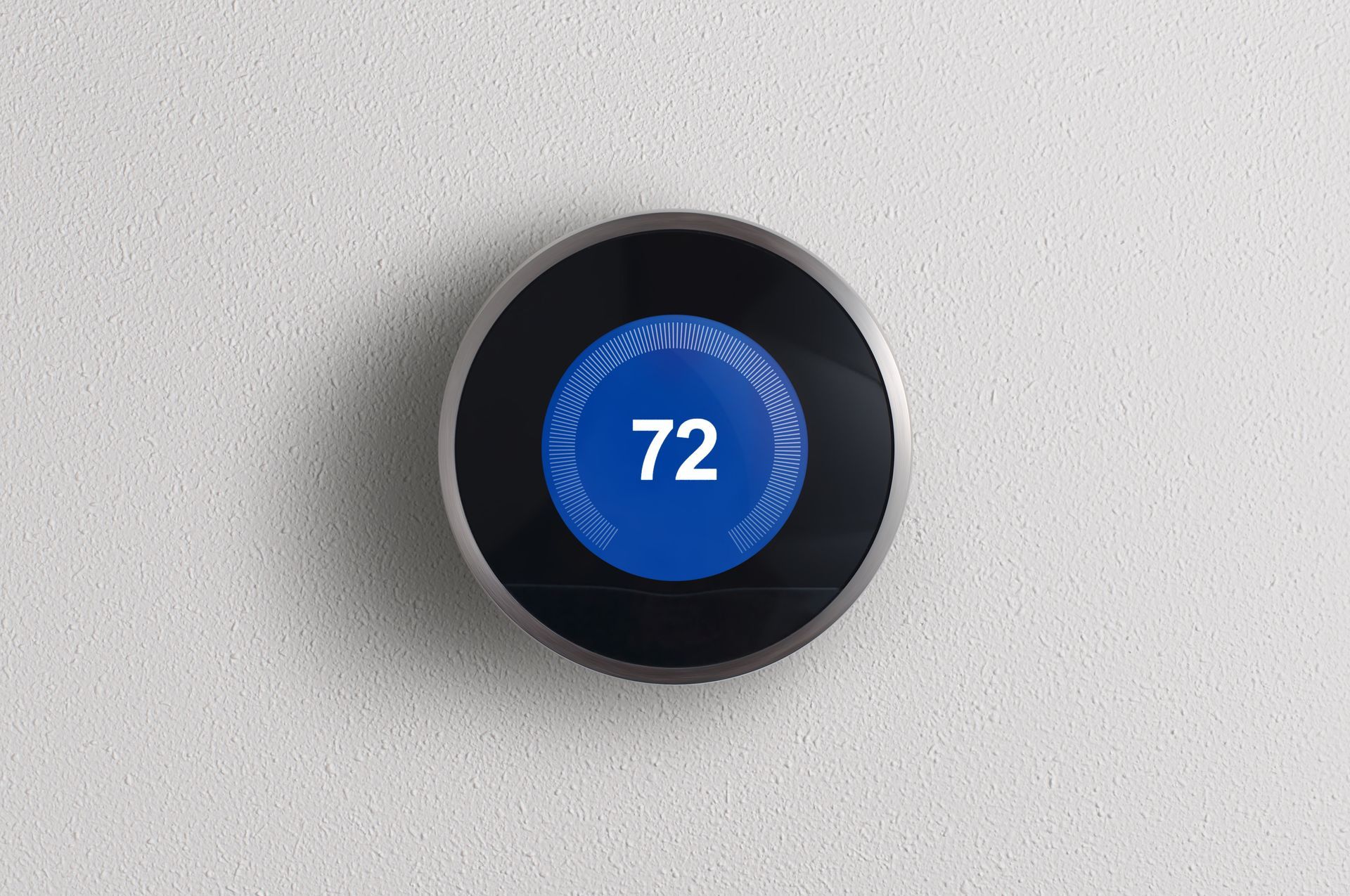
Heating and cooling setups require dozens of interconnected electrical and mechanical parts operating in precise synchronization to achieve ideal indoor thermal control. Over months of continuous operation, physical vibrations and temperature shifts alter critical factory alignments, causing minor efficiency losses and accelerated component wear. Trained HVAC contractors evaluate physical alignments, calibrate digital thermostat connections, balance air delivery fans, and tighten electrical terminal blocks to restore balanced mechanical performance. Reestablishing exact mechanical balance mitigates component friction and prevents single-part stress from destabilizing adjacent mechanical assemblies. Consistent mechanical calibration ensures overall system reliability while avoiding the sudden expense of major component replacements.
Addressing unexpected operational failures requires technical speed, which specialized service teams deliver through fully equipped emergency repair units. Emergency repair teams arrive at the site quickly with heavy diagnostic equipment, reducing system downtime and restoring residential climate control fast. Techs systematically diagnose electrical faults, sensor glitches, and refrigerant leaks to bring essential heating or cooling online safely. Utilizing dedicated rapid service units gives homeowners immediate access to critical repair solutions during unexpected heatwaves or deep winter freezes. Early professional intervention keeps localized component issues from damaging primary compressor components or causing total system failure.
Evaluating System Performance and Risk
Educating property owners on ideal operational guidelines serves as a critical preventive step provided by knowledgeable HVAC contractors. Certified technicians instruct clients on proper thermostat programming, filter replacement timelines, airflow clearance, and optimal seasonal settings to avoid unnecessary system stress. Helping residents understand equipment limits reduces accidental strain caused by improper operation or continuous high-load running. Technical advice helps households maximize daily system output while protecting sensitive internal components from early breakdown. Proactive operational education helps keep household equipment operating cleanly and reliably through every season.
Conducting periodic structural risk evaluations allows certified service experts to locate hidden system vulnerabilities early on. Comprehensive evaluations analyze ductwork conditions, measure electrical load levels, inspect exhaust venting, and evaluate compressor health to identify potential points of failure. Identifying weak points early allows technicians to perform minor repairs before small operational issues escalate into costly equipment breakdowns. Property owners gain valuable peace of mind from detailed technical reviews that preserve equipment value and ensure consistent thermal comfort. Periodic risk mapping remains an essential strategy for extending hardware lifespans and maintaining high performance standards.
Optimizing Energy Management Tools
Modern predictive maintenance technology powered by IoT sensors provides technicians with continuous monitoring data on primary system components. Sensors monitor operational vibration, line pressures, power draw, and air temperatures to detect early signs of mechanical wear. Knowledgeable HVAC contractors leverage this diagnostic data to resolve component stress before unexpected equipment breakdowns interrupt home comfort. Transitioning to data-driven equipment management reduces reliance on reactive emergency repairs and protects sensitive internal components. Continuous equipment monitoring provides home residents with total climate stability and dependable overall operation.
Advanced energy management modules help prevent electrical overloads that can damage compressor motors and delicate internal circuit boards. Control units monitor household energy consumption and adjust compressor performance to prevent extreme current spikes during high-demand periods. Experienced service technicians install and calibrate energy tools to balance daily output with lower overall electrical strain. Property owners benefit from smoother equipment operation, reduced risk of sudden power trips, and lower monthly electrical bills. Adopting smart power management options protects expensive components against sudden failure while extending overall equipment utility.
Minimizing Major Equipment Overhauls
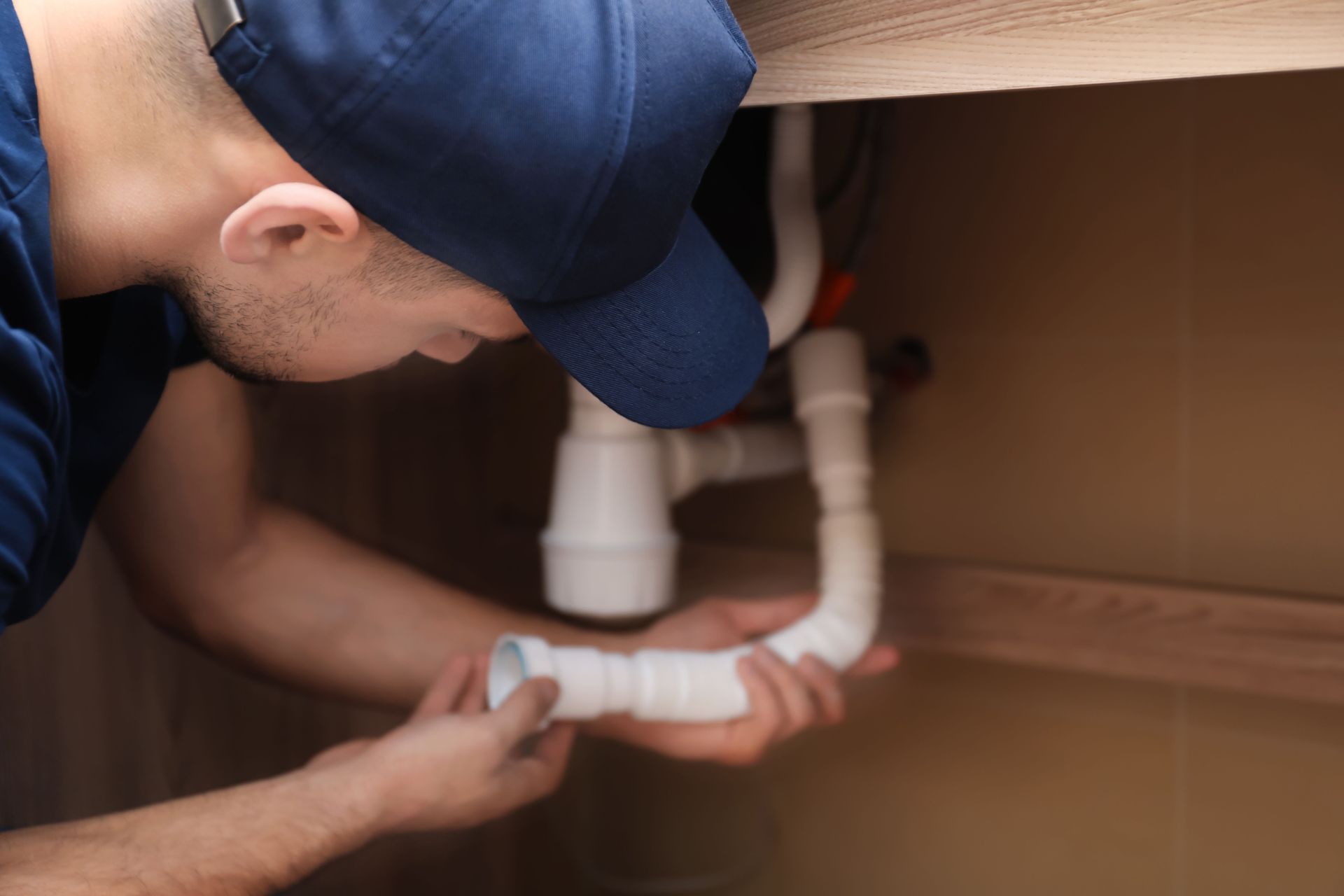
Addressing small operational faults early prevents expensive equipment overhauls and protects home budget stability. Experienced HVAC contractors fix minor coolant leaks, repair sticking valves, and clear clogged drainage lines before those issues trigger total system lockouts. Proactive technical interventions keep small mechanical issues from causing widespread internal system damage. Property owners avoid high repair expenses while enjoying quiet, efficient indoor climate control year-round. Investing in affordable periodic tune-ups remains far more sensible than facing complete compressor failure during peak seasons.
Adhering strictly to industry safety standards remains a fundamental requirement for professional service providers during every routine call or emergency repair. Techs follow detailed safety protocols when checking combustion chambers, verifying exhaust ducting, and testing electrical grounding connections. Following strict safety guidelines prevents accidental property damage, mitigates fire hazards, and stops toxic carbon monoxide leaks before they endanger home residents. Maintaining rigorous safety procedures protects household occupants while preserving structural equipment integrity over time. Dependable service technicians serve as vital home care partners, ensuring reliable climate performance without sacrificing household safety.
Professional
HVAC contractors play an invaluable role in preventing sudden system failures through regular maintenance, emergency repairs, and innovative diagnostic solutions. Their technical expertise ensures that climate control systems operate efficiently, providing consistent comfort and minimizing unexpected mechanical disruptions. By investing in preventive care and adopting modern technologies, homeowners enjoy reliable system performance and long-term savings. Professional technicians remain dedicated to enhancing system functionality and safeguarding your investment over time. To protect your home climate system against sudden breakdowns and maintain year-round efficiency, schedule your next professional inspection with Plumbing Today HVAC today.